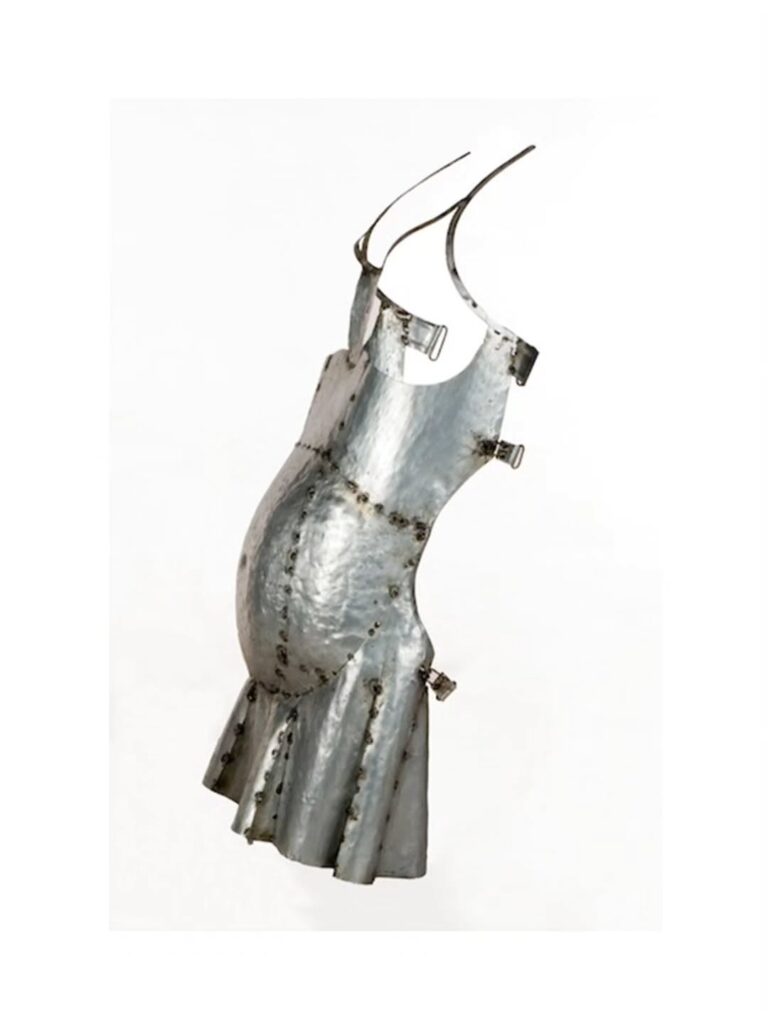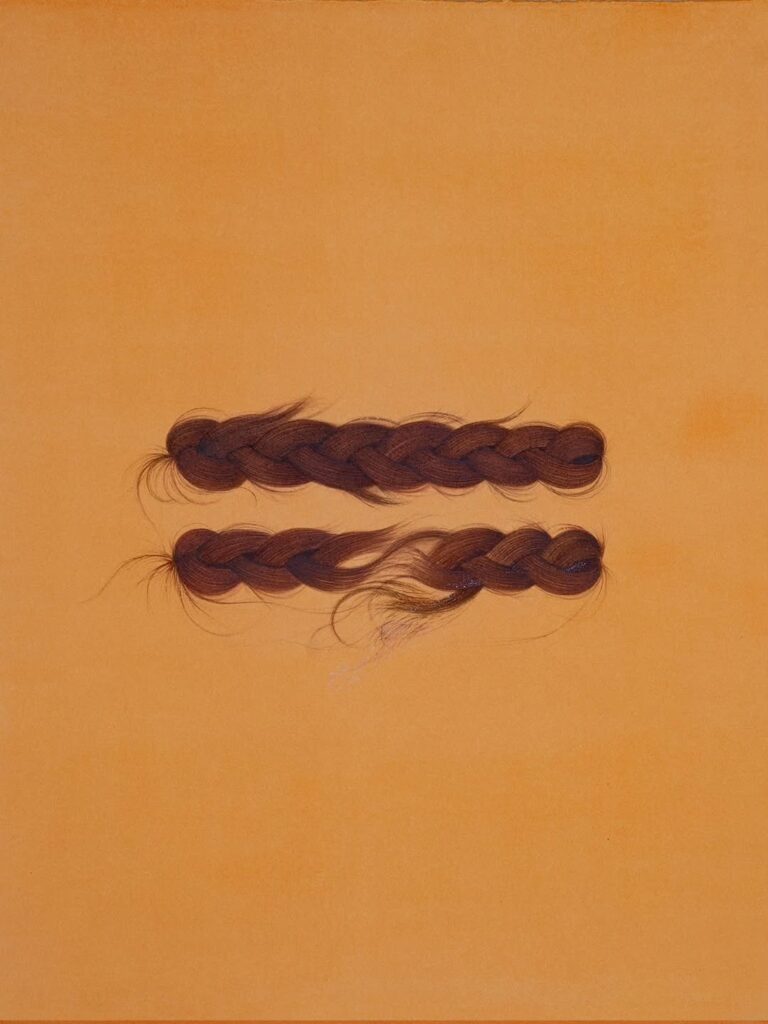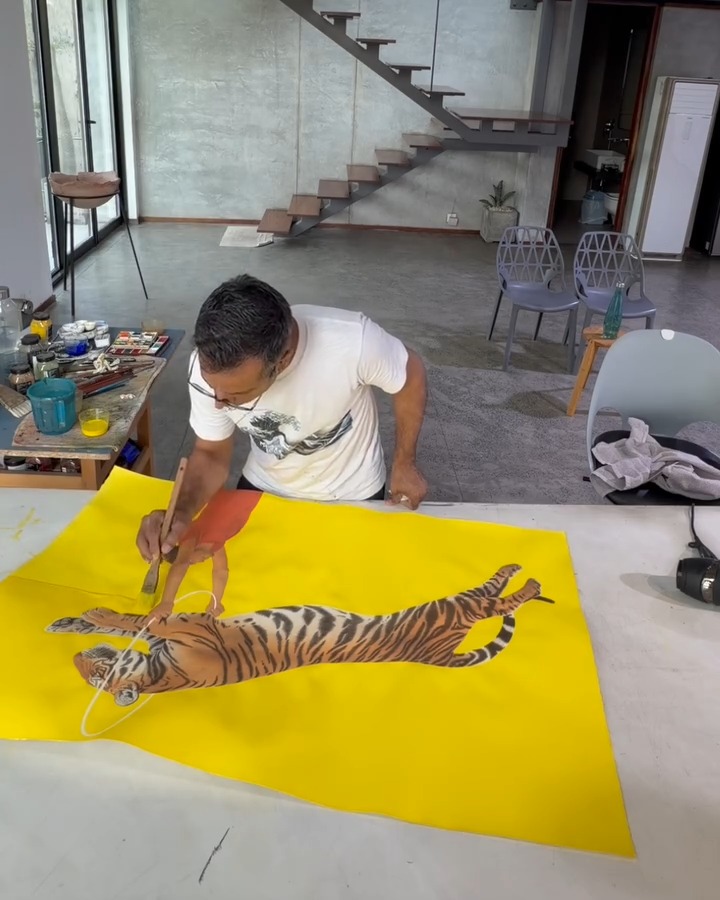
Satrang gallery is delighted to announce the closing ceremony of “CHAHARBAGH” a group show by @alif_se_art…
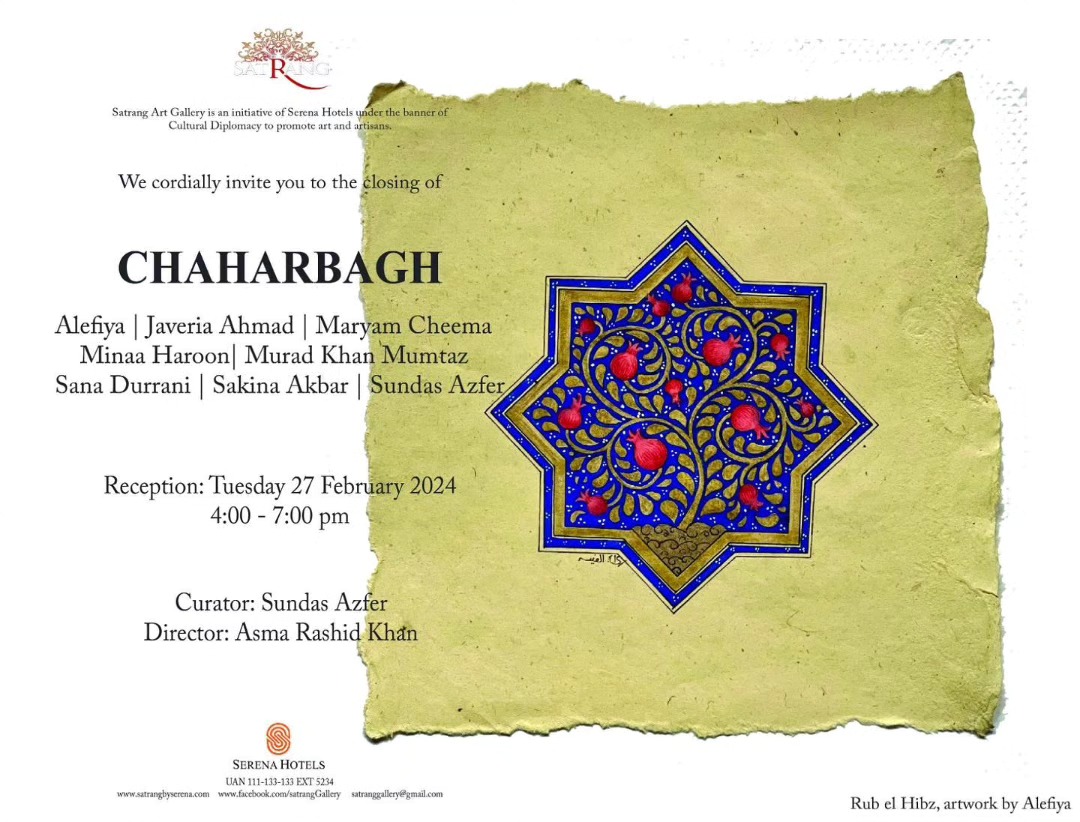
Satrang gallery is delighted to announce the closing ceremony of “CHAHARBAGH” a group show by @alif_se_art @muradkhanmumtaz @javaria.ahmadd @geometrynama @sakina_akbar_pathan @minaaharoon @sundasazfer @sanadurranistudio curated by @sundasazfer
Curator statement
Paradise has been a popular subject in art throughout history, and has been depicted in various forms and styles across different cultures and traditions. In Islamic art, paradise is often represented as a lush garden or orchard, with flowing streams, verdant foliage, and abundant fruit. These images are often accompanied by calligraphy, which may include verses from the Quran or other Islamic literature that describe paradise and its rewards.
We humans are fascinated by the idea of paradise and have always tried to build one within this world, the eternal utopian world, with no envy, sadness or sorrow. A place where we will be reunited with our loved ones, a perfect home which is going to last forever. The immortality of the concept of paradise is fascinating and the way it is defined to perfection in Quran for people faith is breathtaking:
In the two Gardens shall be two springs gushing forth. (66 Surah Rehman)
In the two Gardens there shall be fruits and date-palms and pomegranates. (68 verse Surah Rehman)
The concept of heaven has also been depicted in Christian art, particularly in the Middle Ages and Renaissance periods. In Christian art, paradise is often represented as a garden or orchard, similar to Islamic art. One famous example is the Garden of Earthly Delights, a triptych painting by Dutch artist Hieronymus Bosch, which depicts a series of fantastical scenes that represent paradise, hell, and earthly life.
Curator @sundasazfer
@asmarashidkhan